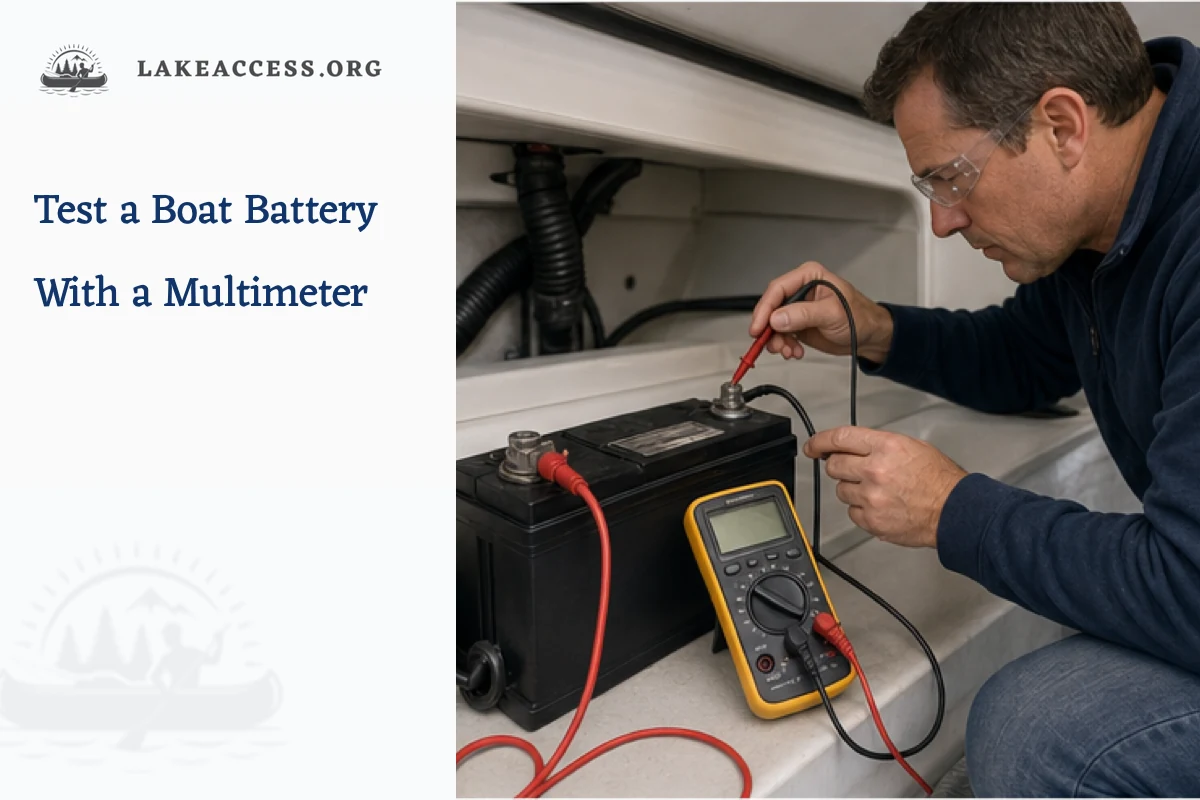
How to Test a Boat Battery With a Multimeter
Quick answer: Set a sound multimeter to DC volts with the black lead in COM and red lead in the voltage jack, turn loads and charging sources off, ventilate the …
Quick answer: Set a sound multimeter to DC volts with the black lead in COM and red lead in the voltage jack, turn loads and charging sources off, ventilate the …

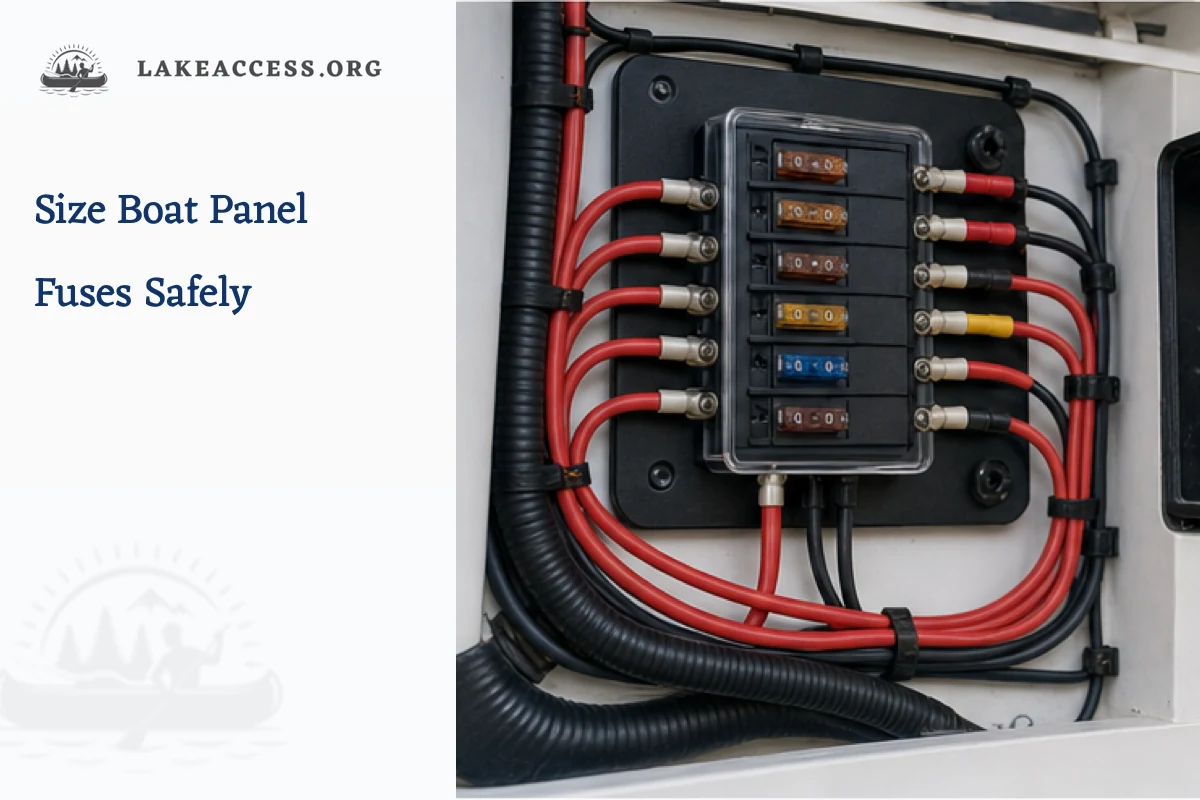
Quick answer: A boat fuse primarily protects the conductor, not the switch label. First size the wire for load, voltage drop and derated ampacity. Then choose an approved fuse or …

Quick answer: Choose marine wire from the greater size required by allowable voltage drop and conductor ampacity after all derating. Use the complete positive-plus-negative round-trip length, the manufacturer load current, …
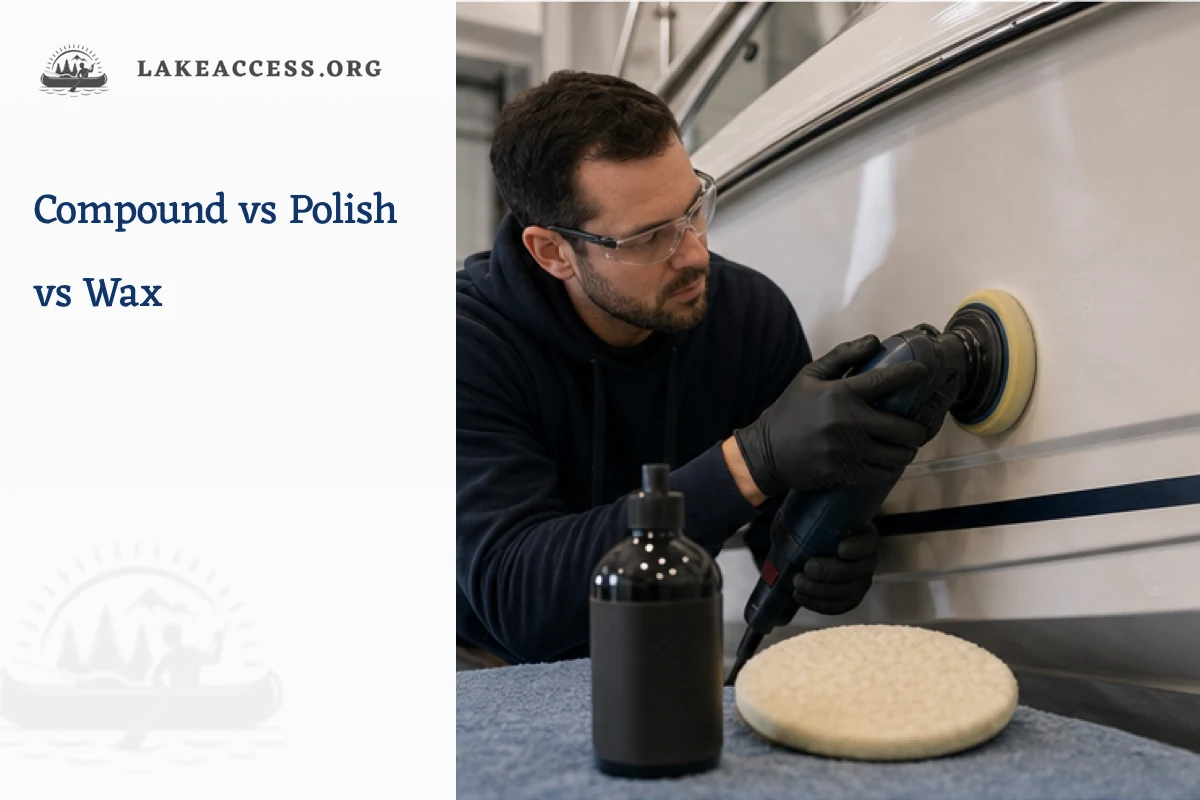
Quick answer: Compound removes a small amount of weathered or scratched surface with relatively aggressive abrasives. Polish uses finer correction to improve gloss and remove haze. Wax or another approved …
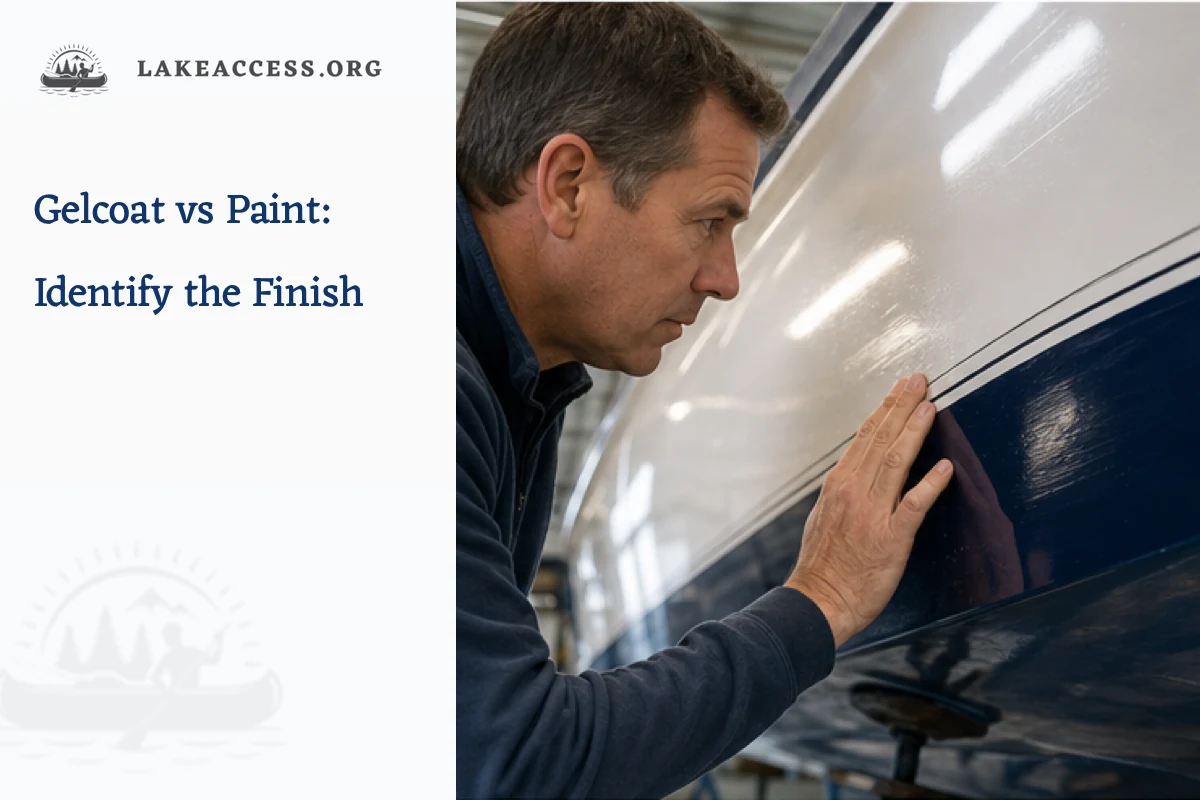
Quick answer: Most production fiberglass boats leave the mold with gelcoat, but repairs, refits and some premium finishes may add paint over gelcoat. Do not decide from shine or color …
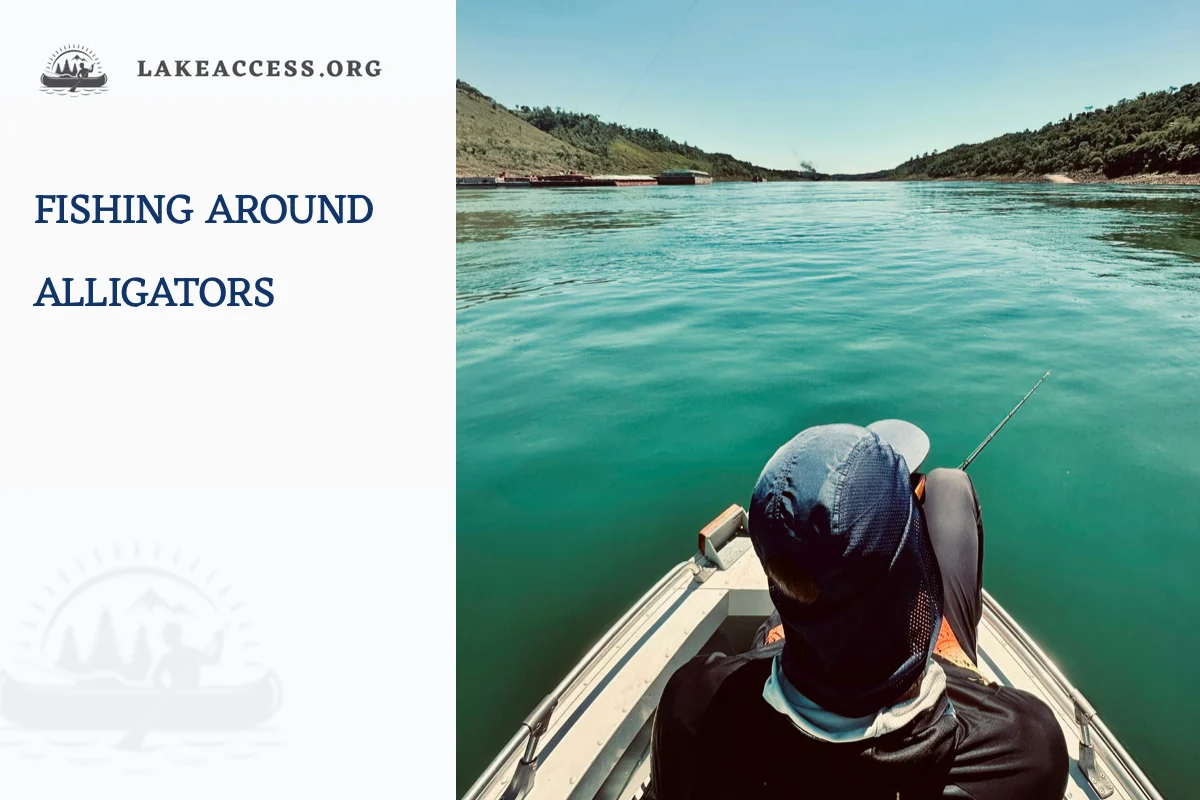
Quick answer: When fishing around alligators, keep substantial distance, never cast toward or feed an animal, secure bait and catch, and put fish scraps in a closed trash container. If …
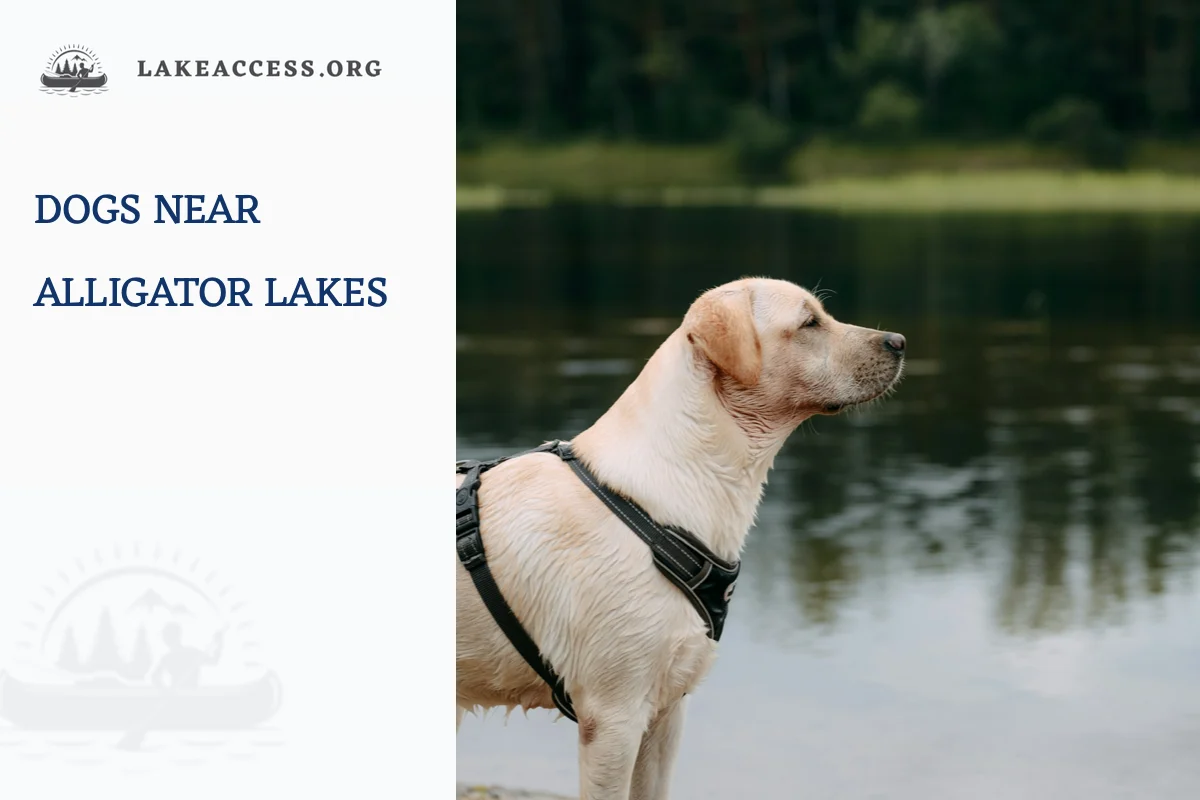
Quick answer: Keep dogs on a short, non-retractable leash and well away from the water edge in alligator habitat. Do not allow a dog to swim, drink from the lake …

Quick answer: If you see an alligator while boating, keep everyone inside and under control, do not feed or approach it, and let the operator create distance at a safe …
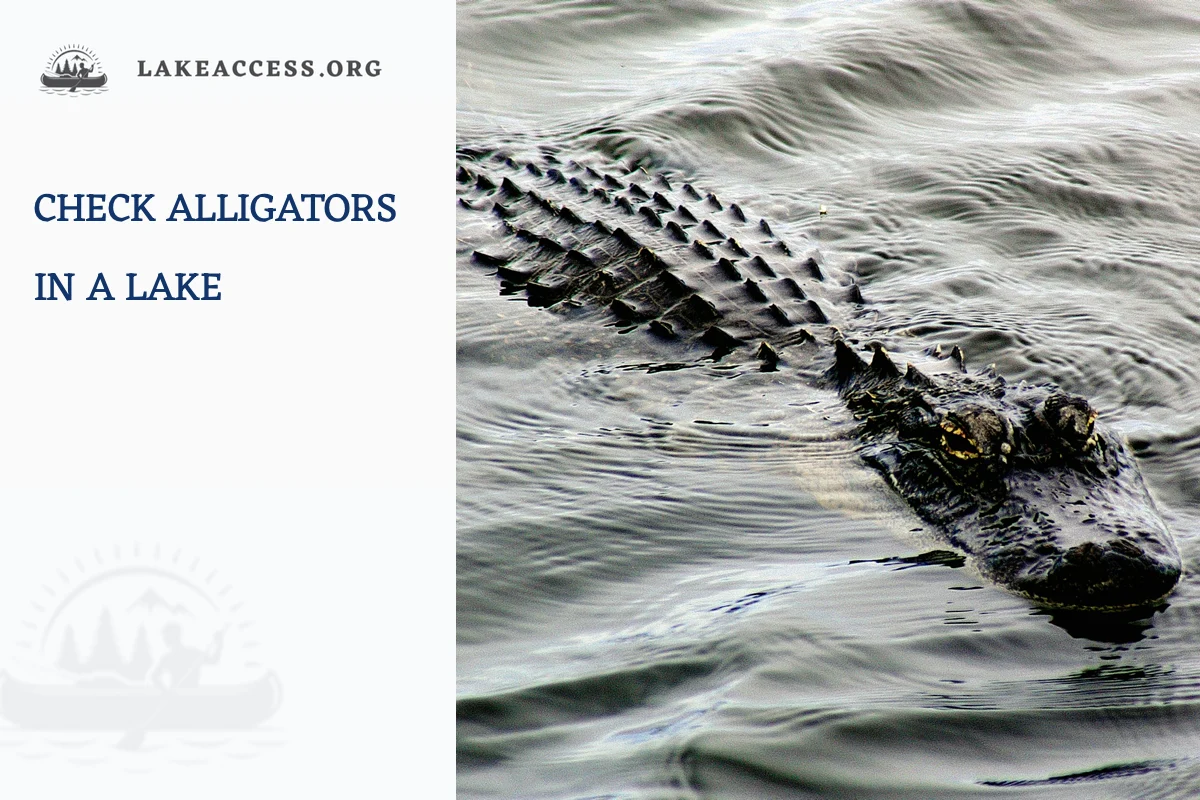
Quick answer: To check whether alligators may live in a lake, start with the American alligator range and the responsible state wildlife agency, then identify the lake manager, read current …
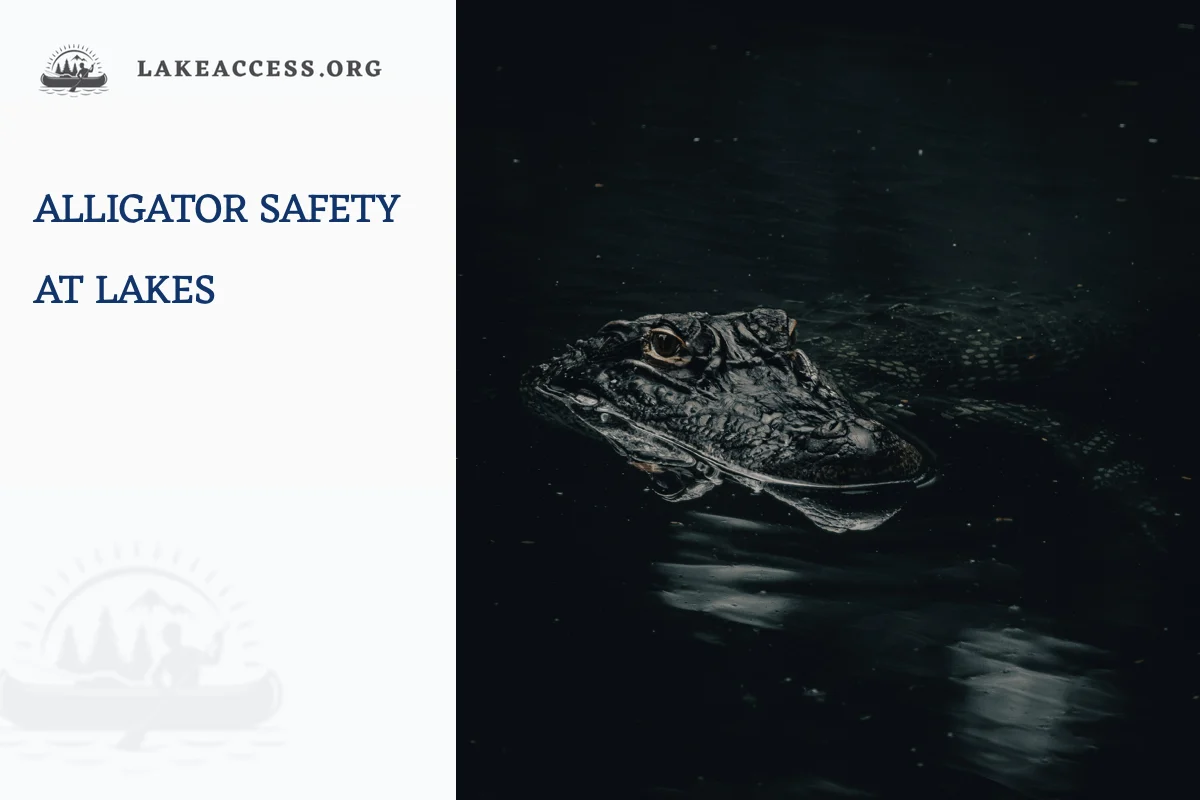
Quick answer: At a lake in American alligator habitat, keep a substantial distance, never feed or approach the animal, keep children and pets away from the water edge, and use …

Quick answer: Lake trout generally need cold, oxygenated water, so their usable depth changes with surface warming, mixing, turnover, forage and the shape of the lake. They may be accessible …

Quick answer: To catch bass from shore, confirm legal access and walk a short route that connects several habitat changes: shade, vegetation, rock, wood, a point, a creek mouth or …
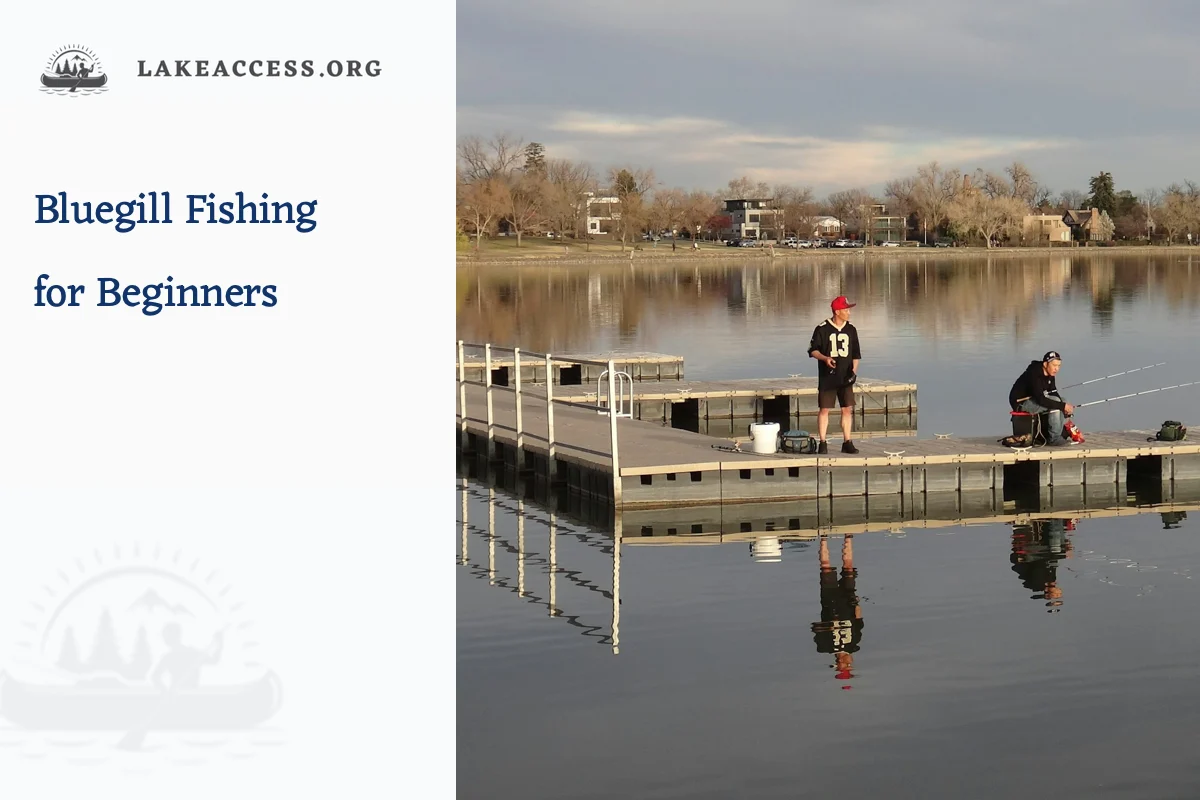
Quick answer: A beginner bluegill setup can be one light spinning or spincast rod, light line, a small hook, one small float, minimal split shot and a small piece of …