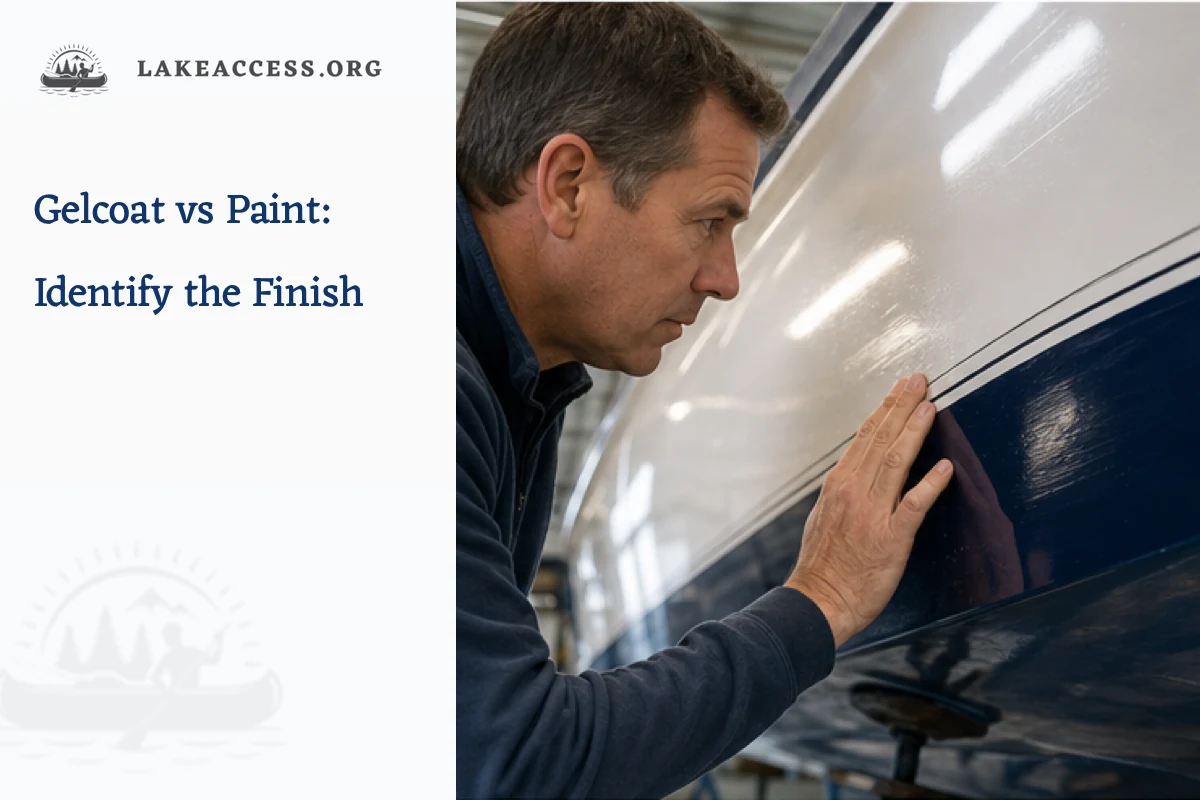
Gelcoat vs Paint: How to Identify Your Boat’s Finish
Quick answer: Most production fiberglass boats leave the mold with gelcoat, but repairs, refits and some premium finishes may add paint over gelcoat. Do not decide from shine or color …

When deciding to go out on your lake boat, your first decision is what kind of boat you want. Are you interested in a smaller pontoon or ski boat? Or are you interested in a larger boat, like a fishing boat or a cruiser? Or are you interested in an inflatable boat? No matter what kind of boat you decide you want, you should always ensure it’s safe and meets government regulations. Insurance is also a good idea since accidents can happen.
Tie up your boat and head off for some fun under the sun on a lake trip. There’s nothing like the thrill of sailing along wavy waters, enjoying your family and friends while you float around from place to place on a lake boat.
Boating guides by job
Use this boating hub to jump into maintenance, wiring, cleaning, decals, pest prevention, and boat-buying guides.
Boat taskRecommended guide
Remove old lettering or decalshow to remove boat decals
Wire switches and accessorieshow to wire a boat switch panel
Choose a fishing boatbest lake boats for fishing
Compare river-ready boatsbest river jet boats
Boat care and maintenance
how to keep spiders off a boat for storage and dockside prevention.
best way to remove oxidation from a boat for faded gelcoat and hull restoration.
how to clean pontoon boat sides for aluminum and pontoon cleanup.
Beginner boating guide
boat ramp checklist for first-time boaters for safer launch prep, ramp etiquette, retrieval, and clean-drain-dry steps.
Plan weight, lift, motor, capacity, and trailer decisions from current model-specific records.
Plan daily houseboat costs, insurance, marina arrangements, utilities, and maintenance from current local and boat-specific records.
Use the exact boat, trailer, axle, tire and tow-vehicle documentation before measuring, servicing or adjusting the rig.
Use reviewed drawings, current agency requirements and an as-built weight and inspection record before constructing or modifying a houseboat.
Use these evidence-first guides to identify finishes, choose correction steps and plan protected 12-volt circuits before changing the boat.
Quick answer: Most production fiberglass boats leave the mold with gelcoat, but repairs, refits and some premium finishes may add paint over gelcoat. Do not decide from shine or color …
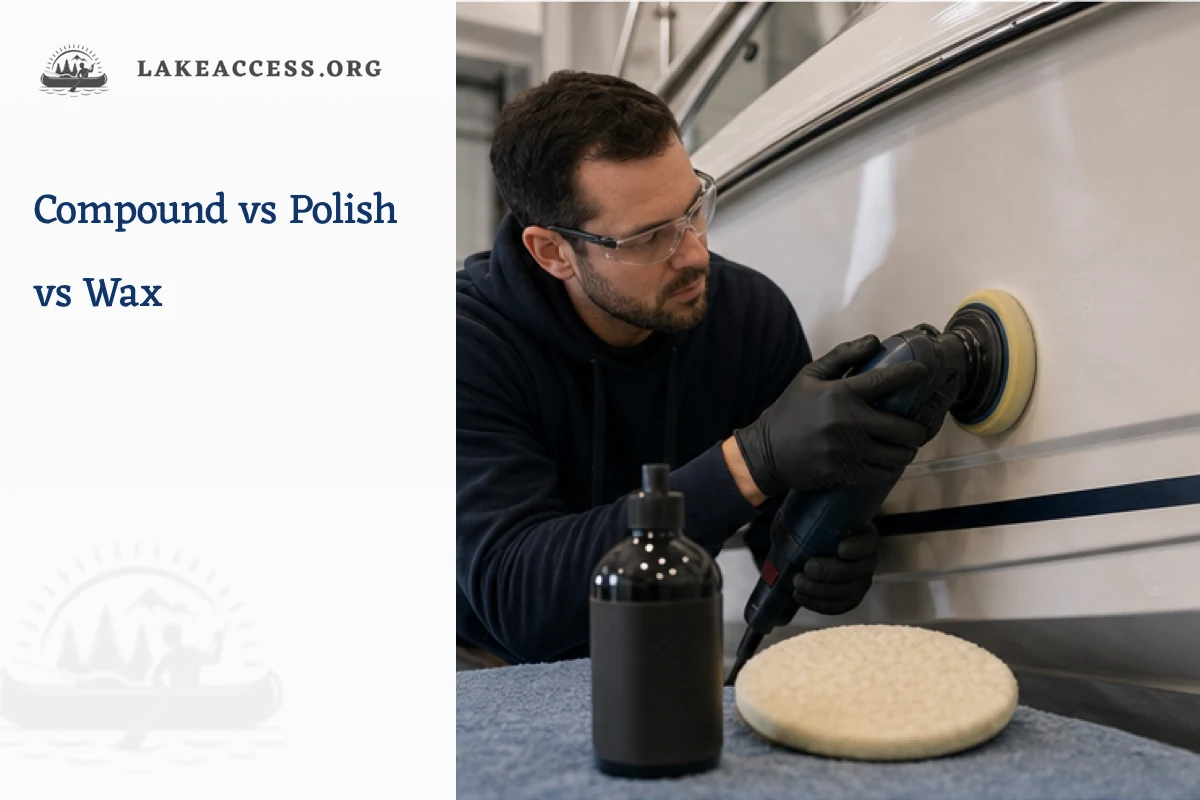
Quick answer: Compound removes a small amount of weathered or scratched surface with relatively aggressive abrasives. Polish uses finer correction to improve gloss and remove haze. Wax or another approved …
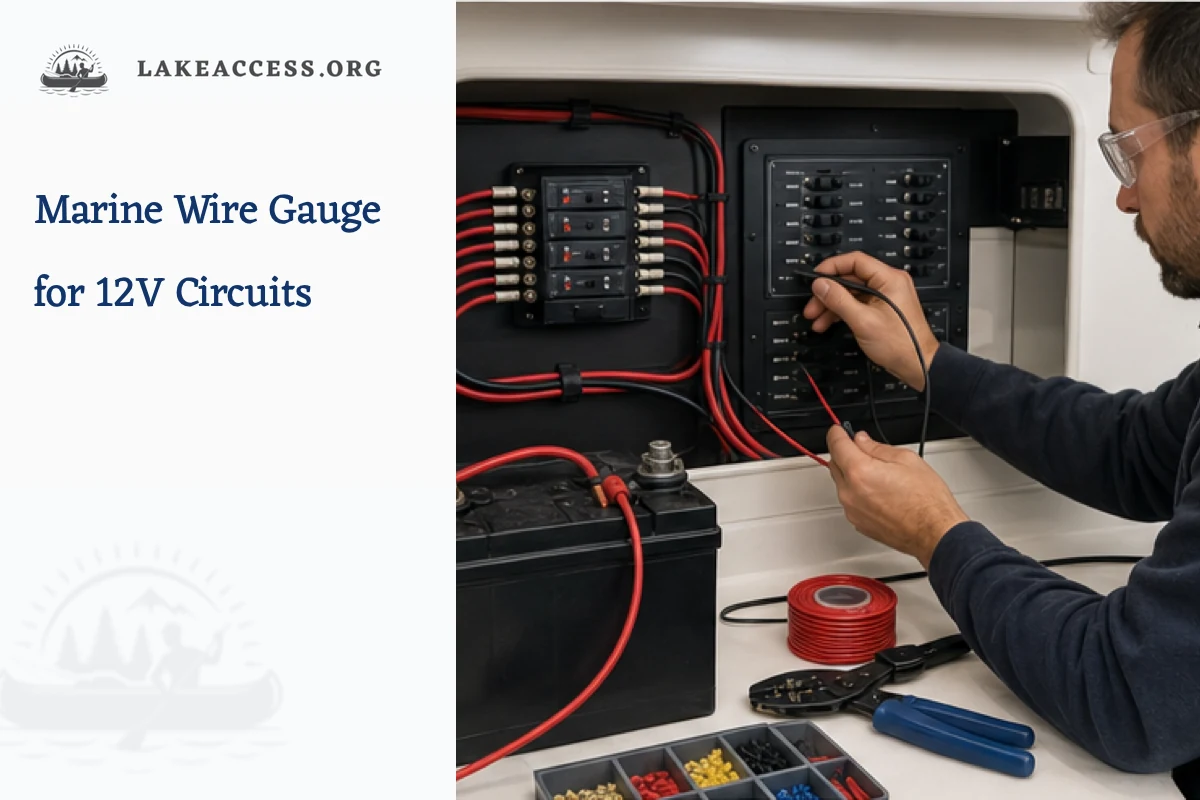
Quick answer: Choose marine wire from the greater size required by allowable voltage drop and conductor ampacity after all derating. Use the complete positive-plus-negative round-trip length, the manufacturer load current, …
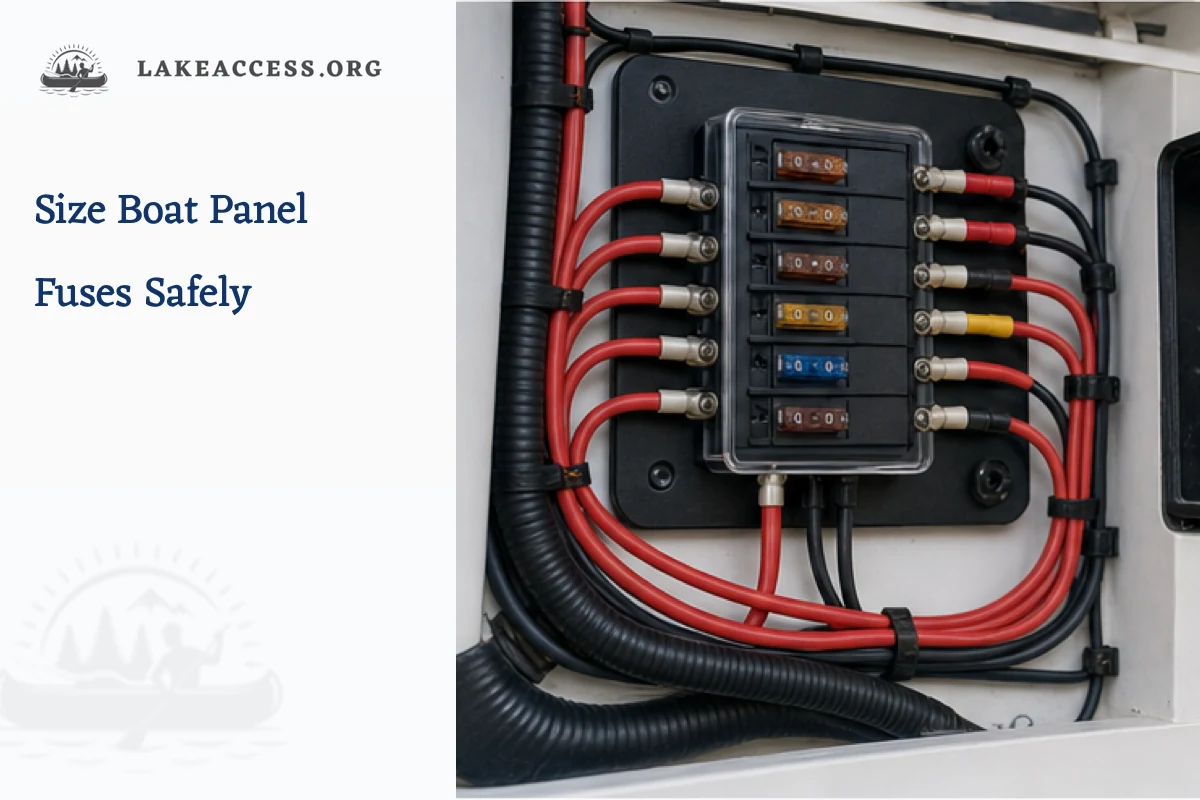
Quick answer: A boat fuse primarily protects the conductor, not the switch label. First size the wire for load, voltage drop and derated ampacity. Then choose an approved fuse or …
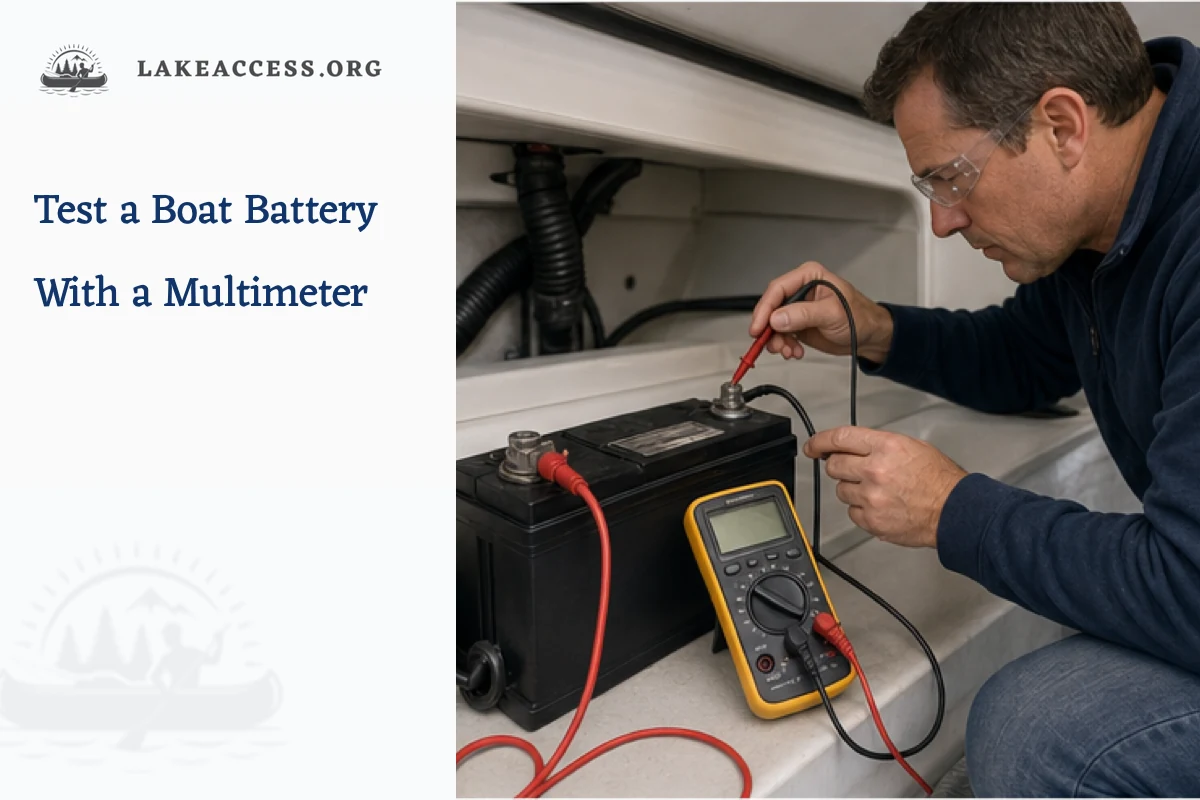
Quick answer: Set a sound multimeter to DC volts with the black lead in COM and red lead in the voltage jack, turn loads and charging sources off, ventilate the …
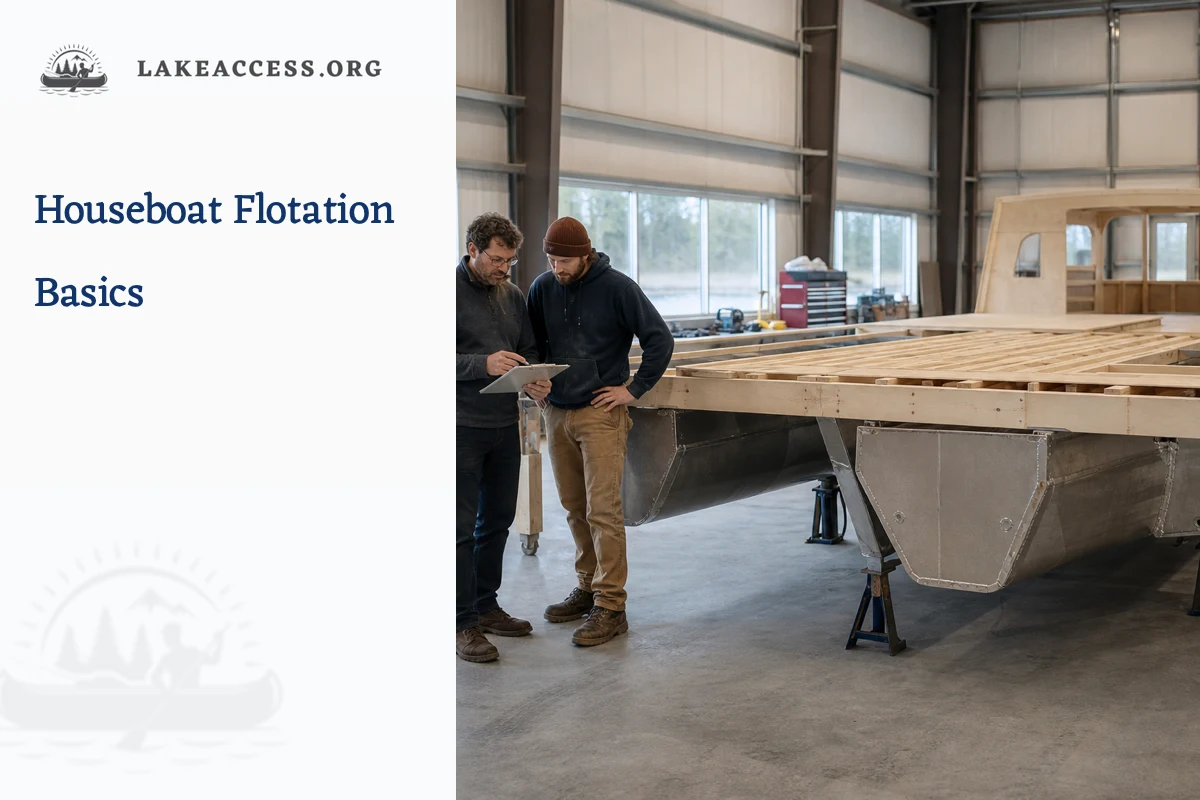
Quick answer: A concept estimate starts by adding the verified loaded weight, converting that displacement to the volume of water the hull must displace, and checking the resulting draft, freeboard, …
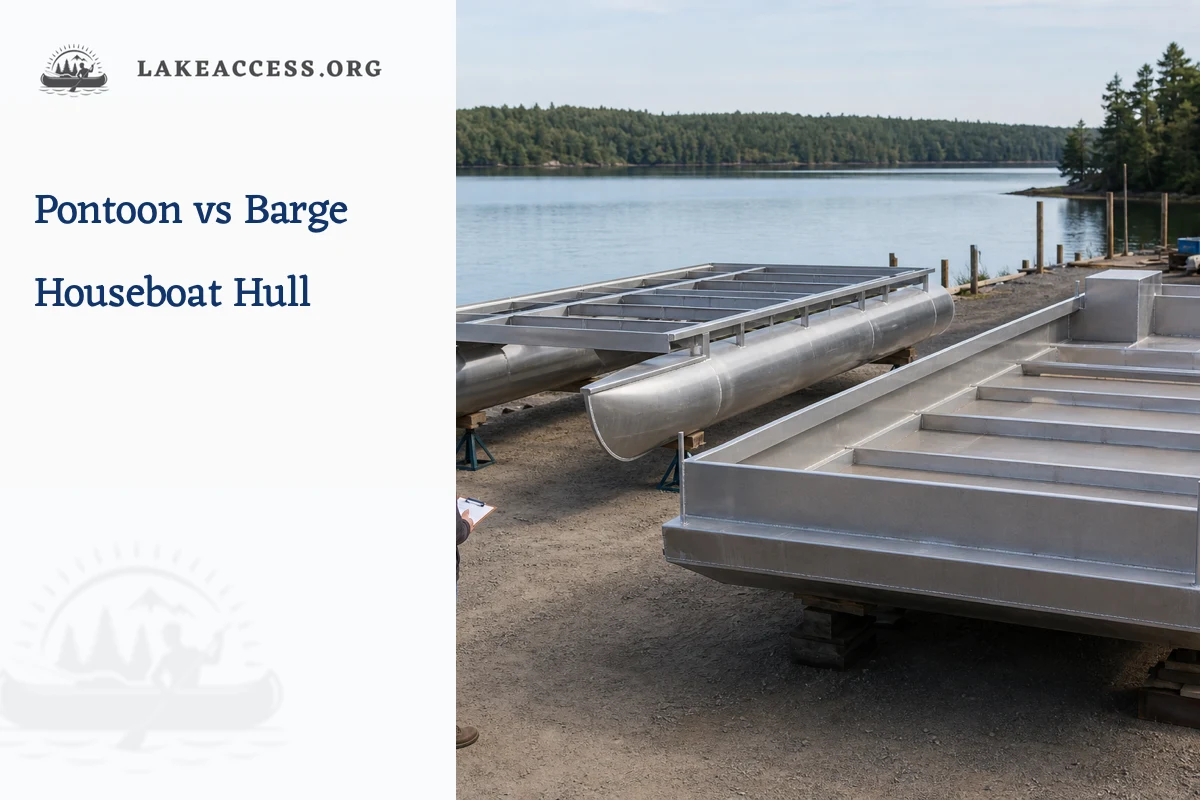
Quick answer: Choose neither hull type from appearance alone. A pontoon platform can offer modular construction and shallow component draft, while a barge-style hull can provide broad continuous volume and …

Quick answer: Create a three-dimensional weight ledger before installation: weight, longitudinal position, transverse position and vertical position for every structural item, tank, battery, appliance, person and movable load. Have a …
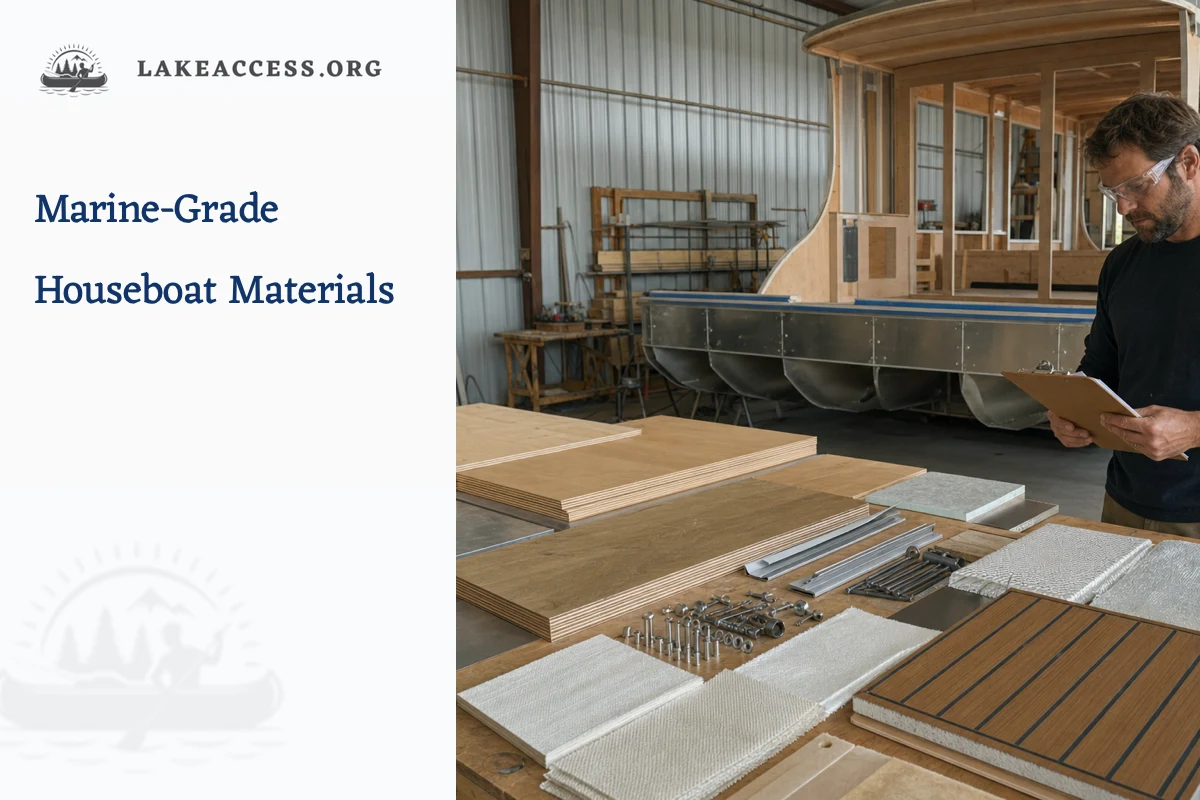
Quick answer: Choose materials from the reviewed structural design and the exact service environment, then verify grade, strength, corrosion compatibility, fire behavior, weight, installation process and inspection access. The phrase …
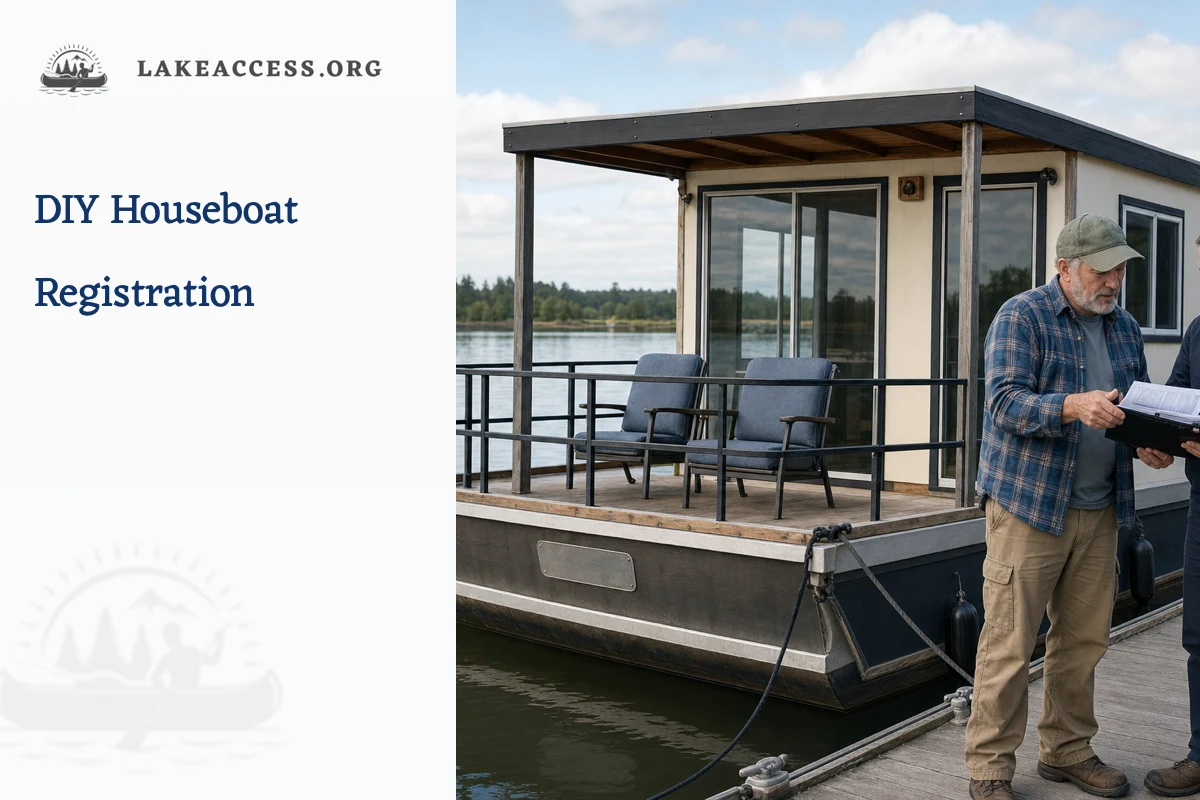
Quick answer: Contact the titling and registration agency in the vessel’s principal-use state before construction and ask for its current homemade-vessel packet, HIN assignment process, inspection steps and proof-of-ownership requirements. …
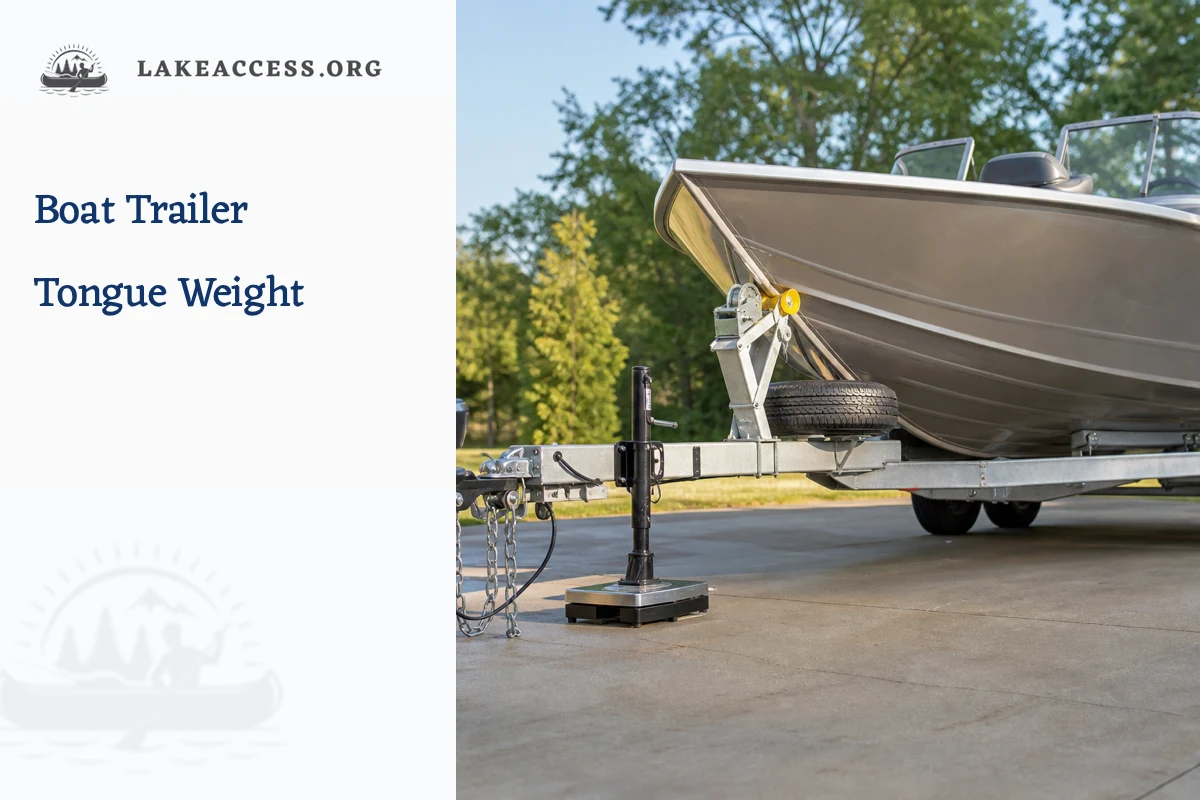
Quick answer: Measure tongue weight with the boat trailer fully loaded for travel, on level firm ground, at the coupler and at the normal hitch height. Compare that measured load …
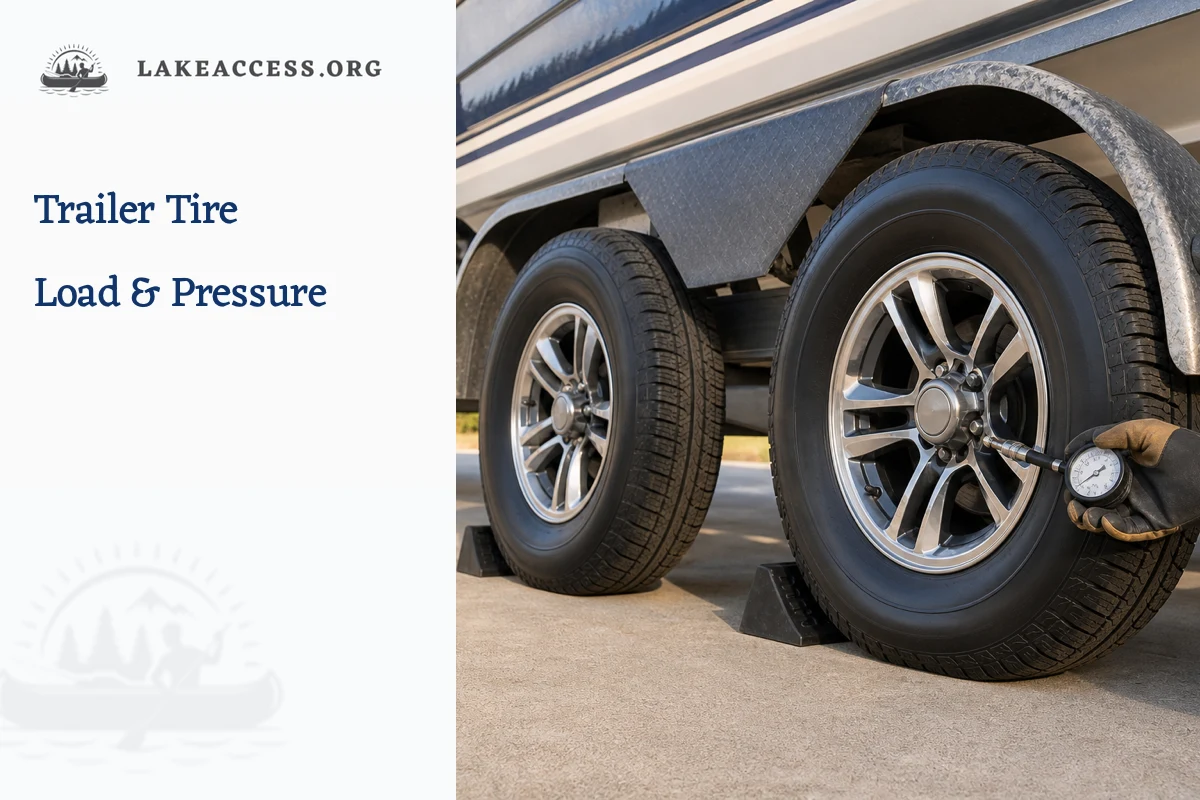
Quick answer: Use the tire size, type, load information and maximum cold inflation molded into the fitted tire together with the trailer certification label and manufacturer manual. The correct setup …